Thrift Store Decor: What to Buy, What to Skip
Thrift store decorating ideas that hold up: what to buy, what to skip, how to spot solid wood and real brass, safety checks and a $50 thrift haul budget.
Under $25 · Renter-safe · Easy · 1–2 hours per thrift tripUpdated
In this post
The best thrift store decorating ideas start with materials, not colors. Paint, a new shade or a good cleaning can fix almost any finish. They can't turn particleboard into oak, plated steel into brass, or a cracked vase into a whole one. Shop for weight, material and shape, and let the rest go.
This guide is the shopping list: what's worth buying, what to inspect or skip, what to bring on the trip, how to clean what you find, and what things typically cost at each kind of secondhand store. There's also a sample $50 haul and a cost ledger for one lamp.
For the bigger picture, including DIY techniques and how thrift pairs with Dollar Tree basics, see the Dollar Tree and thrift DIY guide.
What to Buy: The Thrift Store Decor Shortlist
These categories show up at almost every thrift store, clean up well and look more expensive than they cost.
Solid wood furniture
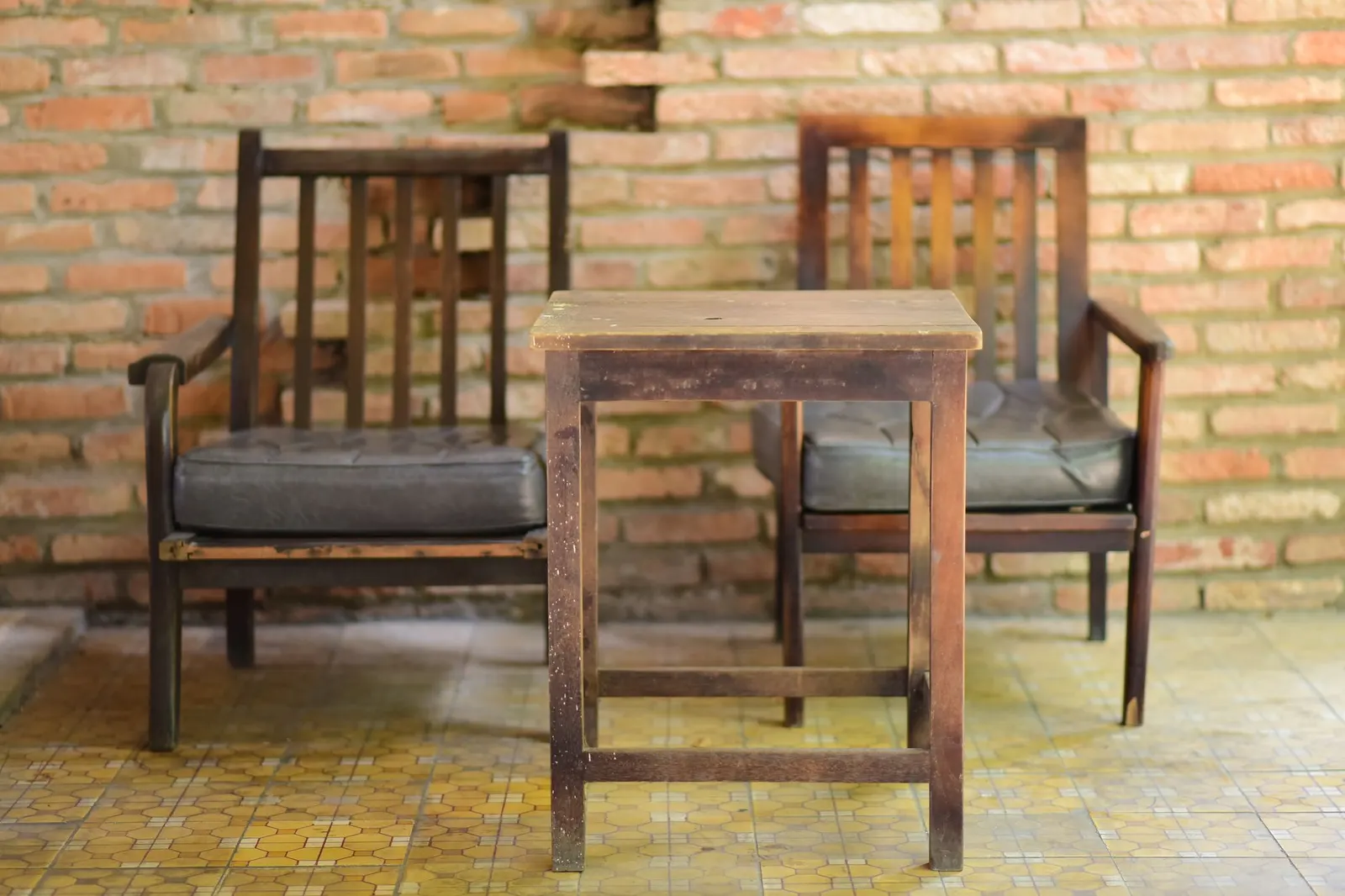
Small wood furniture is the classic thrift win: side tables, nightstands, stools, small bookcases, chairs. Here's how to tell solid wood from veneer or particleboard in about a minute.
- Flip it or pull a drawer. Look at an unfinished surface, like the underside of a table or the back of a drawer. Raw wood with visible grain is a good sign. Smooth, pale board with a speckled, pressed-chip look is particleboard or MDF.
- Follow the grain over an edge. On solid wood, the pattern on the top usually carries into the edge in a way that makes sense. Veneer is a thin sheet of real wood glued over a core, so at a chipped corner you'll see a paper-thin layer over something else.
- Check the weight. Solid pieces feel heavy for their size. A nightstand you can lift with two fingers is probably not solid wood.
- Look at the drawer joints. Interlocking dovetail joints suggest better construction. Staples and glue suggest a cheaper build.
Veneer isn't automatically bad. Older veneer over a solid wood core can be very sturdy. Veneer over particleboard is the one to judge carefully, especially near water (more on that below).
Planning to paint your find? Start with how to paint furniture without sanding, which covers adhesion tests and cure times.
Brass and other metals
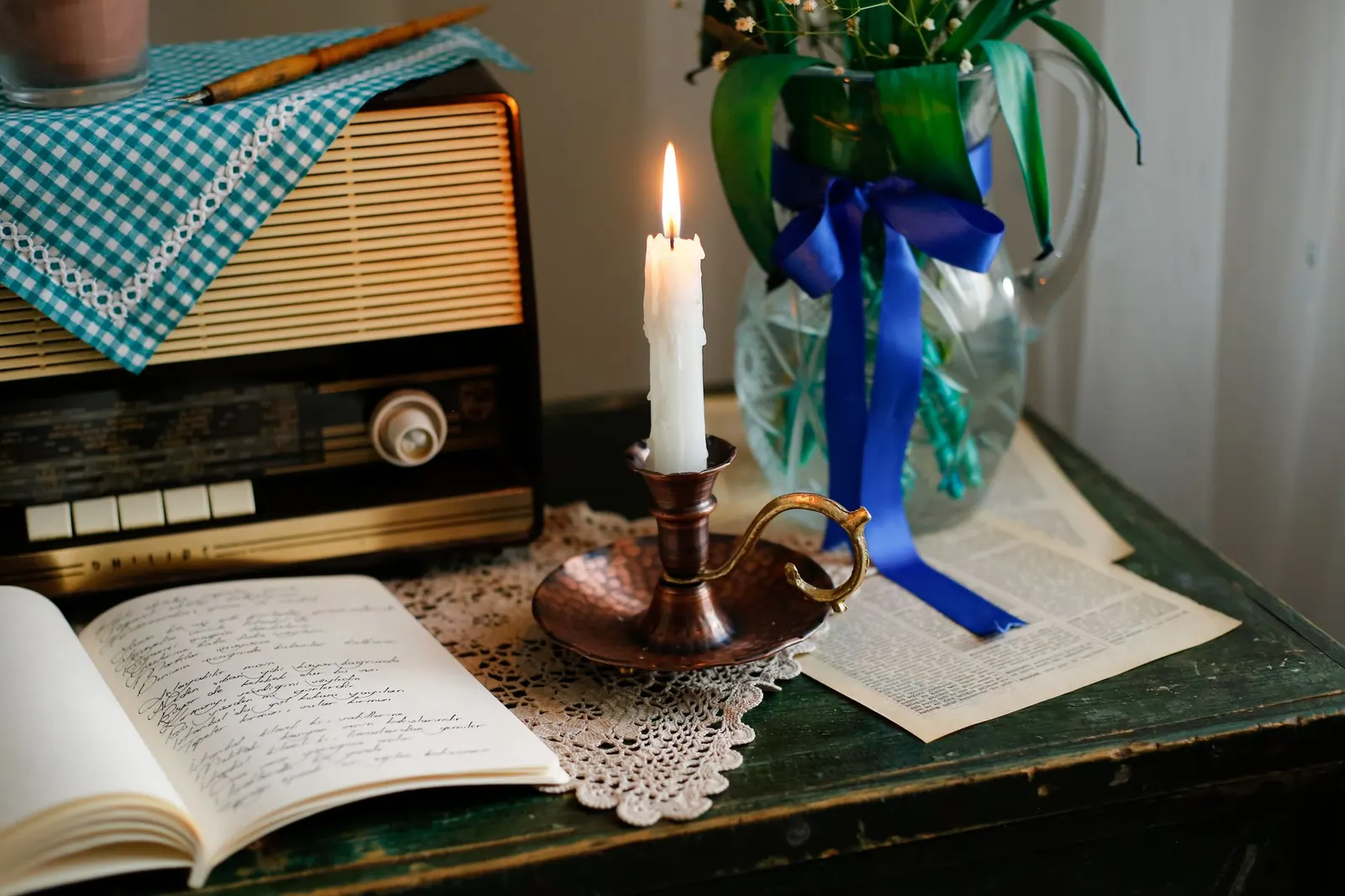
Brass candlesticks, trays, bookends, hooks and lamp bases are some of the easiest thrift finds to recognize once you know the signs. Tarnish is fine. It's just surface oxidation and polishes off.
Also look for cast iron (doorstops, trivets), pewter, copper pots and chrome bar carts. Metal pieces are durable and easy to clean, which makes them lower risk than anything soft.
Glass and ceramics
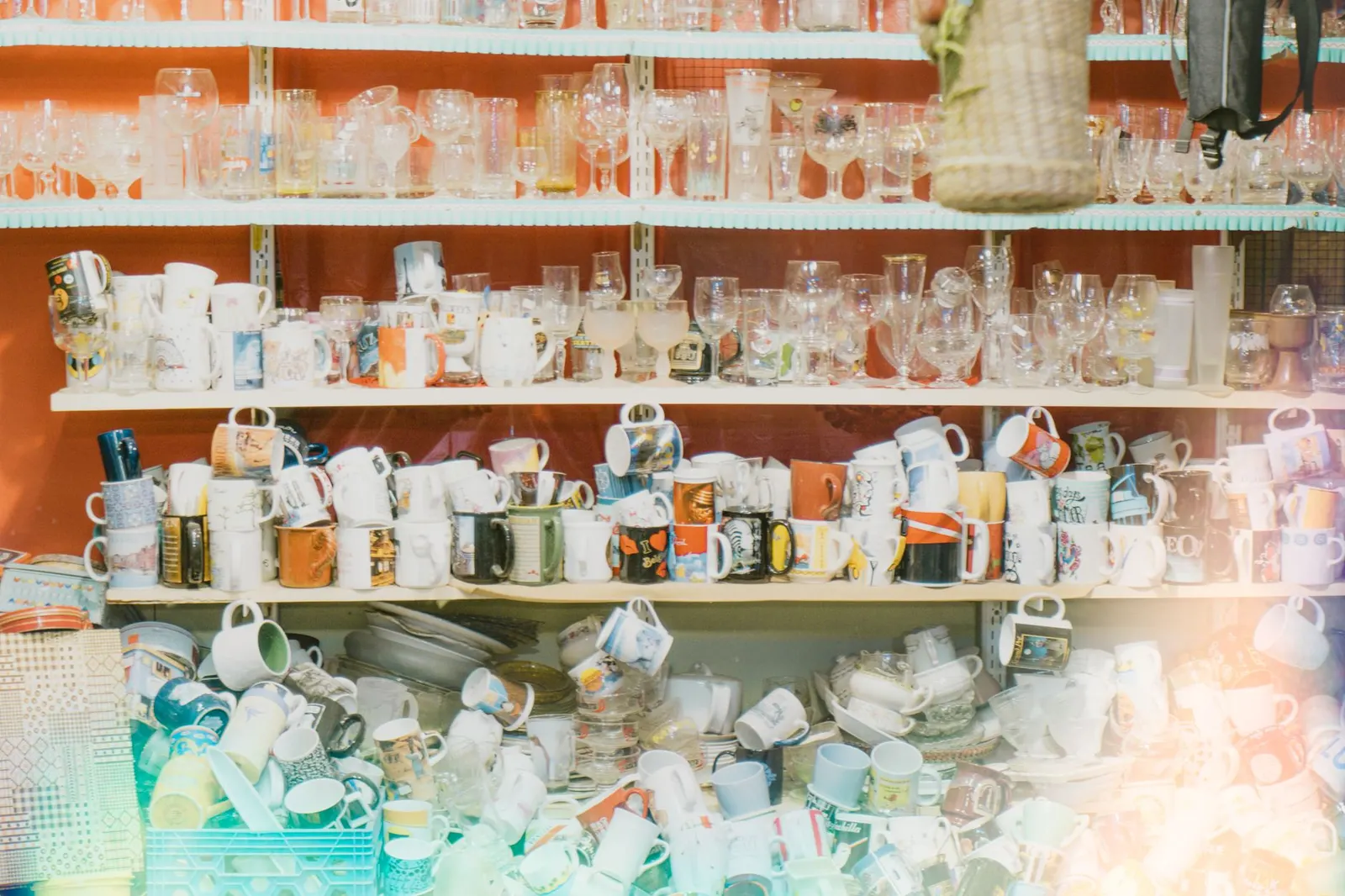
Heavy glass, colored glass (amber, green, smoky gray) and plain pottery are cheap and endlessly useful. Use them as vases, catchalls, candle holders or a cluster on a shelf.
Run a fingertip around every rim and base before you buy. Hold glass up to the light to spot hairline cracks.
Frames for art
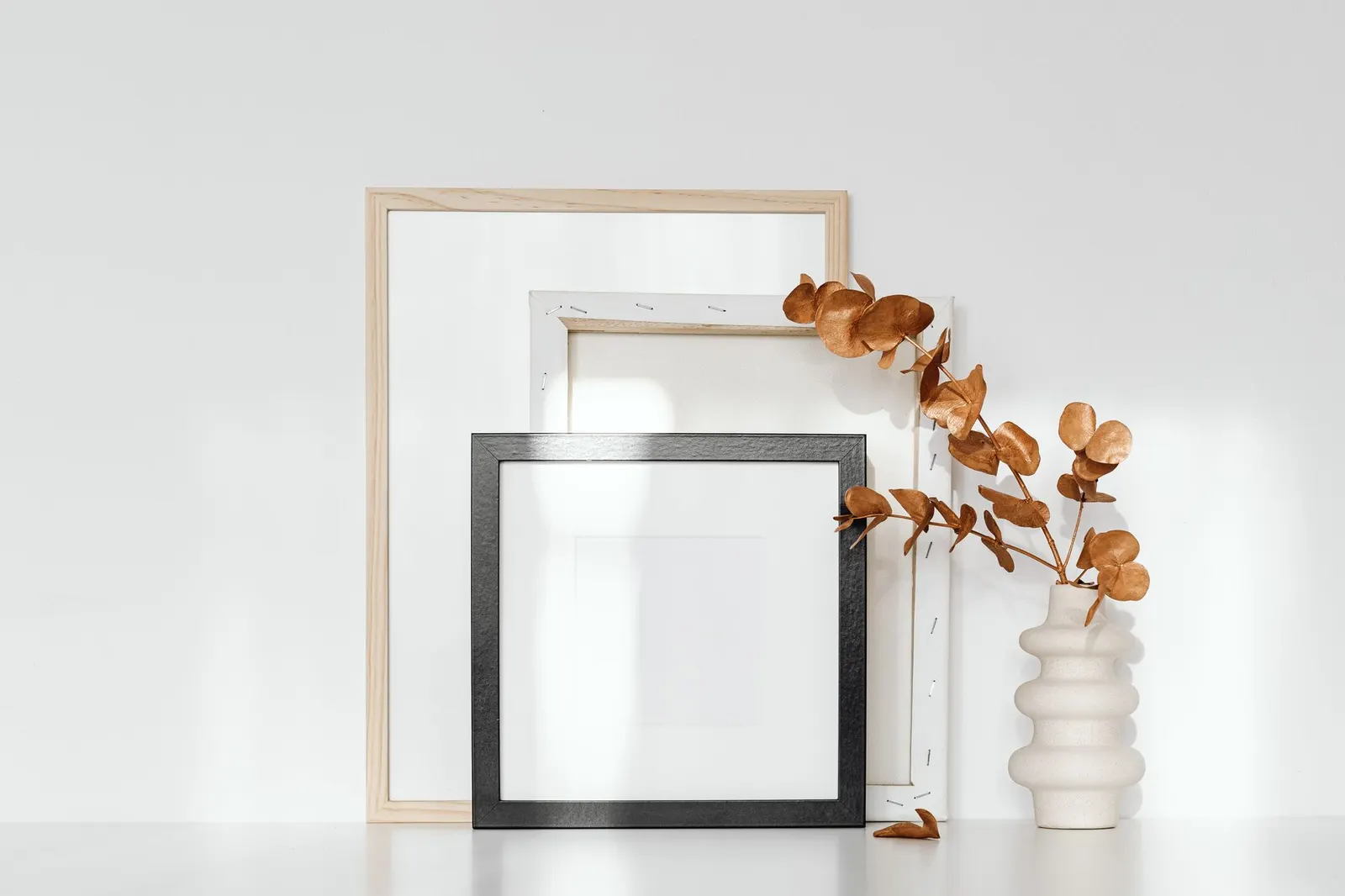
Thrift frames are often wood and much bigger than what you'd find at a dollar store. Ignore the art. You're buying the frame, the glass and sometimes a usable mat.
Paint the frame, then add a free printable, a vintage map, a scarf or pressed leaves.
Lamps
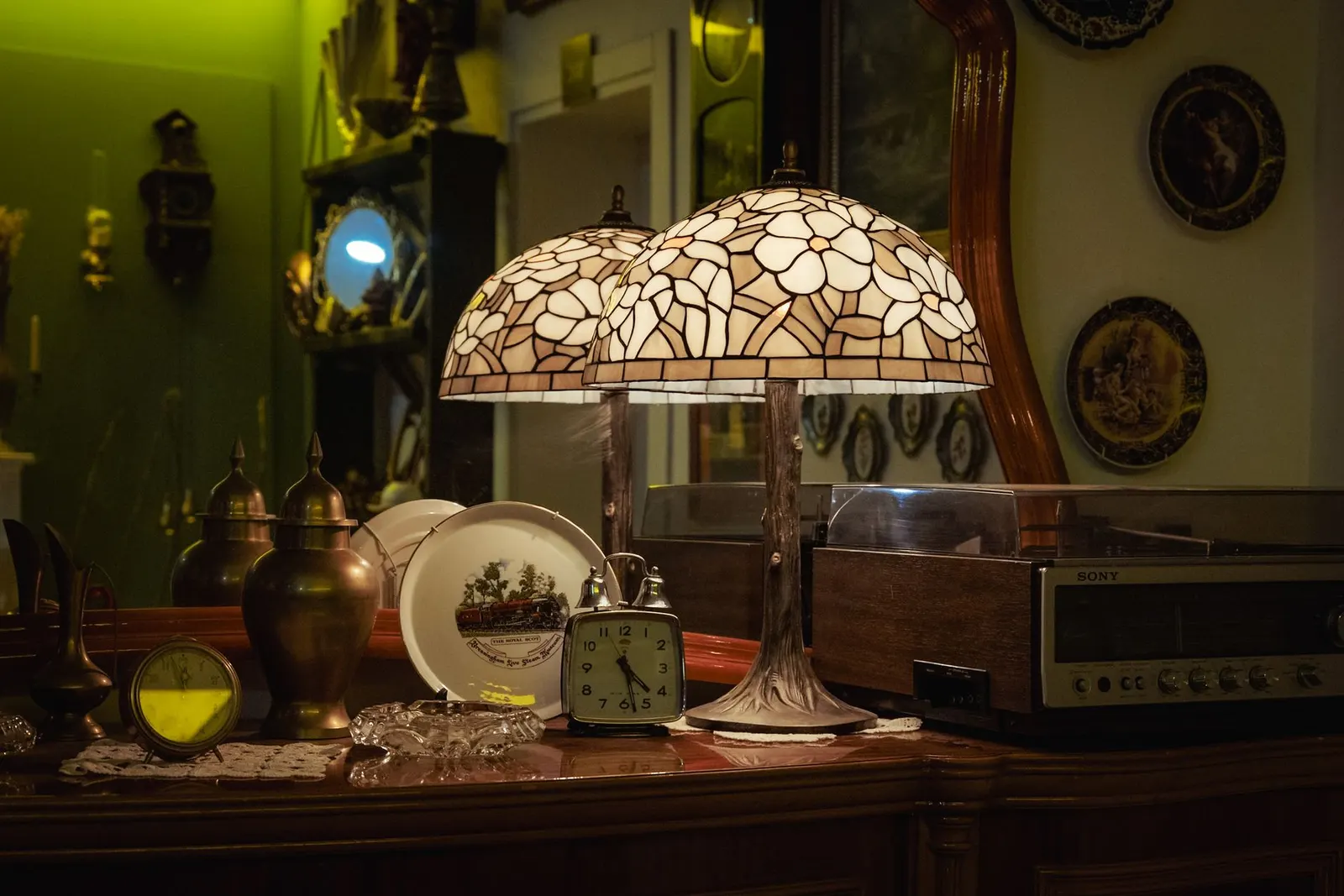
Lamp bases with good shapes (ceramic gourds, glass jugs, brass columns) cost a fraction of new ones. A fresh shade does most of the work.
The cord is the catch. Older lamps should be inspected before you plug them in: unplug and look along the whole cord for cracks, fraying, brittle or sticky insulation, tape repairs and a loose plug. Turn the switch and wiggle the socket. If anything looks worn, plan to replace the cord with a rewiring kit (following its instructions exactly) or take it to a qualified lamp repair shop or electrician. If you're unsure, pass.
Baskets
Woven baskets hold blankets, magazines, toys and plants. Check for broken weaving, mold spots and musty smells. Wire and seagrass baskets clean up more easily than tightly woven ones with deep crevices.
Books
Hardcover books with plain spines are cheap styling props for shelves, coffee tables and lamp risers. Peel off the dust jackets for a calmer look, and stack them horizontally under small objects.
Linens to wash
Linen and cotton tablecloths, napkins, tea towels and wool blankets are worth a look. Unfold them in the store to check for stains, holes and moth damage. Plan to wash every piece before it touches a table or bed.
Thrifted Home Decor Finds That Can Be Worth Money
A lot of the buzz around "Goodwill finds that are worth money" is luck. A few signs do point toward quality, though.
- Maker's marks stamped or painted on the bottom of pottery, glass and metal.
- Solid brass that passes the checks in the trip section below.
- Natural fibers like wool rugs, linen and real down.
- Signed art or framed pieces with a gallery label on the back.
A mark is a lead, not proof. Before you assume a find is valuable, look up the mark and compare it with sold listings (not asking prices) for the same item.
What to Skip or Inspect Carefully
Most thrift risk lives in a few categories. Treat these as "inspect hard" or "walk away."
Upholstered pieces and mattresses: check for bed bugs
EPA's guidance is to "check secondhand furniture, beds and couches for any signs of bed bug infestation before bringing them home." Bring a flashlight and look along seams, piping, zippers, tufts, the underside dust cover and wood joints. Signs include tiny dark spots, shed skins and live bugs.
A used mattress is the hardest item to inspect well. Hard furniture (wood, metal, glass) is far easier to check and clean than anything with foam and fabric. If you can't inspect it, don't bring it inside.
Cribs, car seats and kids' products: check recalls or buy new
CPSC's resale guidance says that "products used in the nursery, especially cribs and bassinets, have caused deaths" and that used products "have been the subject of numerous recalls." CPSC's resale guidance on recalled products also says cribs made or sold before June 2011 "are very likely noncompliant, unsafe, and illegal to sell or distribute."
For car seats, NHTSA's used car seat checklist asks whether the seat has been in a moderate to severe crash and whether its labels show the manufacture date and model number for a recall check. A thrift store rarely knows that history.
For any other children's item (high chairs, play yards, toys), search it at cpsc.gov/recalls before you buy. CPSC notes that "it is illegal to sell any recalled product," but recalled items can still slip through.
Old painted furniture: think lead before pre-1978
EPA says homes built before 1978 are more likely to have lead-based paint, and it lists refinishing old furniture among the activities that can expose people to lead. Apply the same caution to painted pieces from that era.
- Don't sand, scrape or heat-strip old paint you can't date.
- Don't count on a home test kit. EPA notes that CPSC doesn't recommend commercial lead test kits for consumer products.
- Pass on chipping painted pieces if you have young kids or are pregnant.
An unpainted piece with its original clear finish avoids this question.
Cracked glass and mirrors
Hairline cracks spread, and chipped rims cut. A cracked mirror or glass tabletop can fail without warning. Skip it unless you're buying the frame only and plan to replace the glass.
Particleboard with water damage
Swelling, puffy edges, bubbled laminate and crumbly corners mean water got in. Particleboard doesn't recover from that, and screws pull out of the soft spots. Leave it, no matter how cheap the tag is.
Your Thrift Trip Checklist
Five minutes of prep saves wasted trips and wrong-size pieces.
- Measurements on your phone: the wall, the nook, the shelf height, the space between the sofa and the window. Add your car's cargo opening, too.
- A tape measure. Measure before you carry anything to the register.
- A small magnet. For brass: a magnet won't stick to solid brass, but it will cling to the steel or iron under brass plating. Treat it as a quick screening tip, not proof. Some plated pieces have a zinc base, which isn't magnetic either, so also check weight and look for flaking at worn spots.
- A flashlight (your phone works) for seams, joints and drawer interiors.
- Wipes and a bag for dusty hands and small finds.
- Your room's color palette as a photo, so you don't buy a great vase in the wrong color.
Cleaning Your Finds
Clean everything before it goes on display.
- Glass and ceramics: warm soapy water and a soft brush. Soak stubborn residue rather than scrubbing hard.
- Brass and metal: wash with mild soap and water first, then use a brass or metal polish made for the job. Test lacquered pieces on a hidden spot, since polish can strip the lacquer.
- Wood: wipe with a barely damp cloth and mild soap, then dry right away. Treat sticky or cloudy finishes before painting or waxing. Bringing a piece into a heated home in winter? See how to protect wood furniture from dry winter air.
- Linens and textiles: launder on the warmest setting the care label allows. EPA notes that "a dryer on high heat can kill bed bugs," so tumble dry on high when the fabric can handle it.
- Baskets: vacuum, wipe with a damp cloth and let them dry fully in the air before use.
Thrift Store Prices: Typical Ranges by Store
There's no national price list. Prices depend on the region, the store and even the day. These are typical ranges for common decor items as of October 2026. Use them to judge whether a tag is fair, not as a promise.
| Item | Goodwill / Salvation Army | Local thrift | Estate sales | Facebook Marketplace |
|---|---|---|---|---|
| Picture frame (large) | $3–$10 | $2–$12 | $5–$25 | $5–$20 |
| Brass candlestick (each) | $2–$8 | $2–$15 | $5–$25 | $5–$20 |
| Glass or ceramic vase | $2–$8 | $1–$10 | $3–$20 | $3–$15 |
| Table lamp | $5–$15 | $5–$20 | $10–$40 | $10–$30 |
| Wood side table or nightstand | $10–$40 | $10–$50 | $20–$80 | $15–$60 |
Goodwill and Salvation Army restock often, so short, frequent visits pay off. Some locations run rotating tag-color discounts; ask at the register.
Local and charity shops price less consistently, which can work for or against you.
Estate sales often carry older solid wood, brass and art. Some sale companies discount on the final day, so check the listing.
Facebook Marketplace is best for larger furniture. See the piece in person and never send a deposit; the Facebook Marketplace furniture guide covers pickups and scams.
Budget Breakdown: A $50 Thrift Haul
This haul styles a side table, a shelf and a dining table at once. Prices are approximate as of October 2026.
Budget breakdown: A $50 thrift haul
$24.50–$65
| Item | Price range | Where to buy |
|---|---|---|
| Large wood picture frame with glass | $3–$8 | Goodwill, Salvation Army, local thrift |
| Pair of brass candlesticks | $4–$12 | Goodwill, local thrift, estate sales |
| Heavy glass or ceramic vase | $2–$6 | Goodwill, Salvation Army |
| Ceramic or glass table lamp base | $5–$12 | Goodwill, local thrift |
| Woven storage basket | $2–$6 | Goodwill, Salvation Army |
| Three hardcover books for stacking | $3–$8 | Goodwill, library sales, local thrift |
| Linen or cotton tablecloth or napkin set | $3–$8 | Local thrift, estate sales |
| Cleaning supplies (sponges, microfiber cloths, gloves) | $2.50–$5 | Dollar Tree |
| Total | $24.50–$65 |
Prices are approximate as of October 2026 and vary by store and region. Prices are approximate as of October 2026. Thrift, estate sale and Marketplace prices vary widely by store, region and day; Dollar Tree items are mostly $1.25, with some higher price points ($1.50–$5).
At the low end, you'll come in well under $50. At the high end, you'll be a little over, so drop the books or the tablecloth to stay on budget. For more ways to make cheap pieces read as high-end, see Dollar Tree decor hacks that look expensive.
Cost Ledger: One Thrifted Lamp
A lamp is a good test of whether thrifting actually saves money once you add the extras.
Budget breakdown: Cost ledger: one thrifted lamp
$19–$42
| Item | Price range | Where to buy |
|---|---|---|
| Thrifted lamp base with intact cord | $5–$12 | Goodwill, Salvation Army, local thrift |
| New drum or empire lampshade | $12–$25 | Target, Walmart, HomeGoods |
| LED bulb | $2–$5 | Walmart, Home Depot, Dollar Tree |
| Lamp rewiring kit (only if the cord needs replacing)(optional) | $8–$15 | Home Depot, Lowe's |
| Total (without optional) | $19–$42 |
Prices are approximate as of October 2026 and vary by store and region. Prices are approximate as of October 2026. Thrift, estate sale and Marketplace prices vary widely by store, region and day; Dollar Tree items are mostly $1.25, with some higher price points ($1.50–$5).
| Line | Low | High |
|---|---|---|
| Lamp base | $5 | $12 |
| New shade | $12 | $25 |
| LED bulb | $2 | $5 |
| Cash total (cord in good shape) | $19 | $42 |
| Rewiring kit, if needed | $8 | $15 |
| Cash total (with new cord) | $27 | $57 |
| Your time (cleaning, plus rewiring if needed) | 20 minutes | 1–2 hours |
New ceramic table lamps at Target, Walmart or HomeGoods commonly run from about $25 to $60 for comparable sizes. So the thrifted lamp wins clearly when the cord is fine, and it's close to a wash once you add a new cord and your time. The upside is a heavier base and a shape nobody else has. For more buy-vs-DIY math, see Pottery Barn dupes: DIY vs. buy.
Renter-Friendly Version
Almost everything on this list just sits on a surface, so it leaves no trace. Frames and art are the only items that touch walls.
Common Mistakes
- Buying without measuring. A "perfect" table that blocks a doorway is not a deal.
- Buying everything in one style. Mix one or two vintage pieces with newer basics so the room doesn't read as a costume.
- Skipping the cord check. Inspect every lamp before you plug it in.
- Bringing upholstery home untested. Inspect at the store, not in your living room.
- Overpaying for "vintage." Compare the tag with the ranges above, and ask before you try to haggle; chain thrift stores usually price by tag.
Keep the list simple: buy solid, heavy and washable, inspect anything soft or electrical, and skip anything for babies. That covers most of what separates a good thrift haul from a pile of donations-in-waiting.
Frequently asked questions
What should you not buy at a thrift store?
Skip used cribs, bassinets and car seats unless you can confirm their history and recall status. Inspect mattresses and upholstered furniture for bed bugs before they come home, and pass on cracked glass, swollen particleboard and chipping old paint that might contain lead.
How can you tell if thrift store furniture is solid wood?
Look at an unfinished spot, like the underside or the back. Check whether the grain on the top matches the grain on the edge, and look for a thin skin over a crumbly core where an edge is chipped. Solid pieces also feel heavy for their size, and well-made drawers often have dovetail joints.
Is it safe to buy a used lamp from a thrift store?
It can be, if you inspect it first. Unplug it and check the cord, plug and socket for cracks, fraying, brittle insulation, tape repairs or looseness. If anything looks worn, replace the cord, have a qualified lamp repair shop or electrician look at it, or leave it on the shelf.
What Goodwill finds are worth money?
Look for solid brass, signed or marked pottery, heavy art glass, quality wool or linen textiles, and solid-wood furniture with good joinery. A maker's mark is a lead, not a guarantee. To check value, search sold listings for the same mark before you assume you found something valuable.
How do you clean thrift store decor before using it?
Wash hard items like glass and ceramics in warm soapy water, wipe wood with a barely damp cloth and dry it right away, and launder fabrics on the warmest setting the care label allows. EPA notes that a dryer on high heat can kill bed bugs, so dry linens on high when the fabric can take it.
Can you buy a used crib or car seat at a thrift store?
It's best not to. CPSC says cribs made or sold before June 2011 are very likely noncompliant and unsafe. NHTSA's used car seat checklist asks about crash history, labels and recalls, which a thrift store usually can't answer. Buy these new.
By [Author Name]. Prices are approximate as of October 2026. How we work.
Sources (7)
- Protecting Your Home from Bed Bugs, US EPA (Last updated 2026-07-06)
- Protect Your Family from Sources of Lead, US EPA (accessed 2026-10-23)
- Resale / Thrift Stores, US Consumer Product Safety Commission (accessed 2026-10-23)
- Stop Online Sale of Recalled Products, US Consumer Product Safety Commission (accessed 2026-10-23)
- Safe Sleep: Cribs and Infant Products, US Consumer Product Safety Commission (accessed 2026-10-23)
- Used Car Seat Safety Checklist, NHTSA (accessed 2026-10-23)
- To tell if your brass objects are solid or plated…, The Old Farmer's Almanac (accessed 2026-10-23)
Image credits: Photo: Sevde Altıntaş · Pexels · Pexels License; Photo: Sóc Năng Động · Pexels · Pexels License; Photo: betül nur akyürek · Pexels · Pexels License; Photo: Lany-Jade Mondou · Pexels · Pexels License; Photo: https://kaboompics.com/ · Pexels · Pexels License.